
In his book Man’s Search for Meaning (1946), the Austrian-German neurologist, psychiatrist, and Holocaust survivor Viktor Frankl (1905-1997) offers an arresting perspective on the pursuit of success:
Success, like happiness, cannot be pursued; it must ensue, and it only does so as the unintended side-effect of one’s personal dedication to a cause greater than oneself or as a by-product of one’s surrender to a person other than oneself. Happiness must happen, and the same holds for success: you have to let it happen by not caring about it.
Man’s Search for Meaning appeared in English translation in 1959. It quickly became a bestseller and in 1991 was listed by the Library of Congress and the Book of the Month Club as one of the ten most influential books published in the United States. Yet as Frankl explains, he never set out to become a successful author. Rather, he wrote his memoir to recount his experience of the concentration camps and to share the central insight gleaned from that experience: that what enabled people to survive unspeakable suffering was their recognition of a meaning to their lives. That insight later gave rise to “logotherapy,” a practice based on the assumption that the search for meaning is the primary motivational force in human lives.
As is the case with most absolutes I encounter, my first response to Frankl’s is, “It all depends.” When someone wins a triathlon or scores a winning touchdown or graduates summa cum laude, it’s fair to assume that their success is the direct result of single-mindedly pursuing that goal. At the same time, to regard one’s present efforts as merely a means to an end, be it a high GPA or athletic glory, can often bear negative consequences. In certain circumstances, it can undermine if not defeat one’s chances of ultimate success.
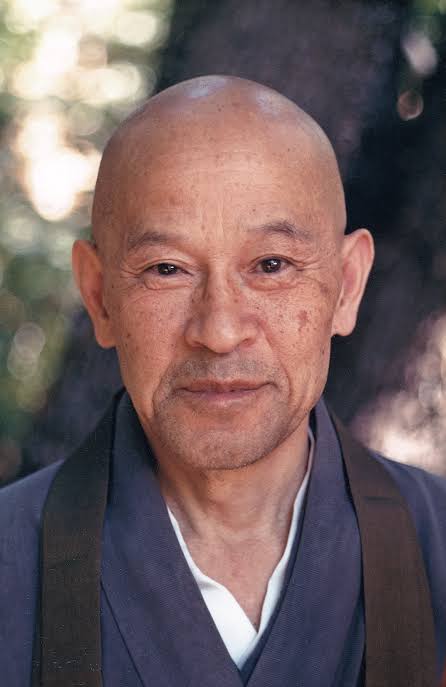
The practice of zazen (seated meditation) is one such circumstance. In Zen Mind, Beginner’s Mind, a foundational text for Soto Zen practitioners, Shunryu Suzuki Roshi articulates this paradoxical but cardinal principle of the practice:
When you practice zazen you should not try to attain anything. You should just sit in the complete calmness of your mind . . . [T]o try to do something in zazen is dualistic and not complete calmness.
As Suzuki further explains, zazen is to be practiced “without gaining ideas, without any expectations, even of enlightenment.” Practice “should be directed from achievement to non-achievement.” We should not try “to attain anything. . . . If we think we can get something out of zazen, we are “already involved in impure practice.” By purity Suzuki means being present with things as they are, rather than trying to alter external reality or change one’s state of mind. In Zen parlance this practice is known as shikantaza, which means “just sitting,” giving wholehearted attention to the reality of the present moment and aligning one’s body and mind with that reality.
For many Westerners, the notion of “non-achievement” is difficult to understand, much less accept or put into practice. Why should anyone devote the time and endure the discomforts of sitting upright and still on a chair or cushion unless he or she were trying to achieve something: relief from anxiety, for example, or a state of blissful non-attachment? Two hundred years ago the poet William Wordsworth decried a way of life dedicated to “getting and spending,” and that way is still very much with us. Why spend time and effort in a practice without the expectation of getting something in return?
Suzuki addresses this question. To practice without gaining ideas, he explains, “does not mean . . . just to sit without any purpose.” Zen practice does indeed have long-term aims, most centrally the cultivation of wisdom and compassion and the transformation of delusion into clear seeing. “Delusions are inexhaustible,” reads the second Great Vow, recited daily in Zen monasteries. “I vow to extinguish them all.” But when practicing zazen, the practitioner’s task is simply to give undivided attention to breath and posture and to open one’s mind to whatever may be occurring in that moment.
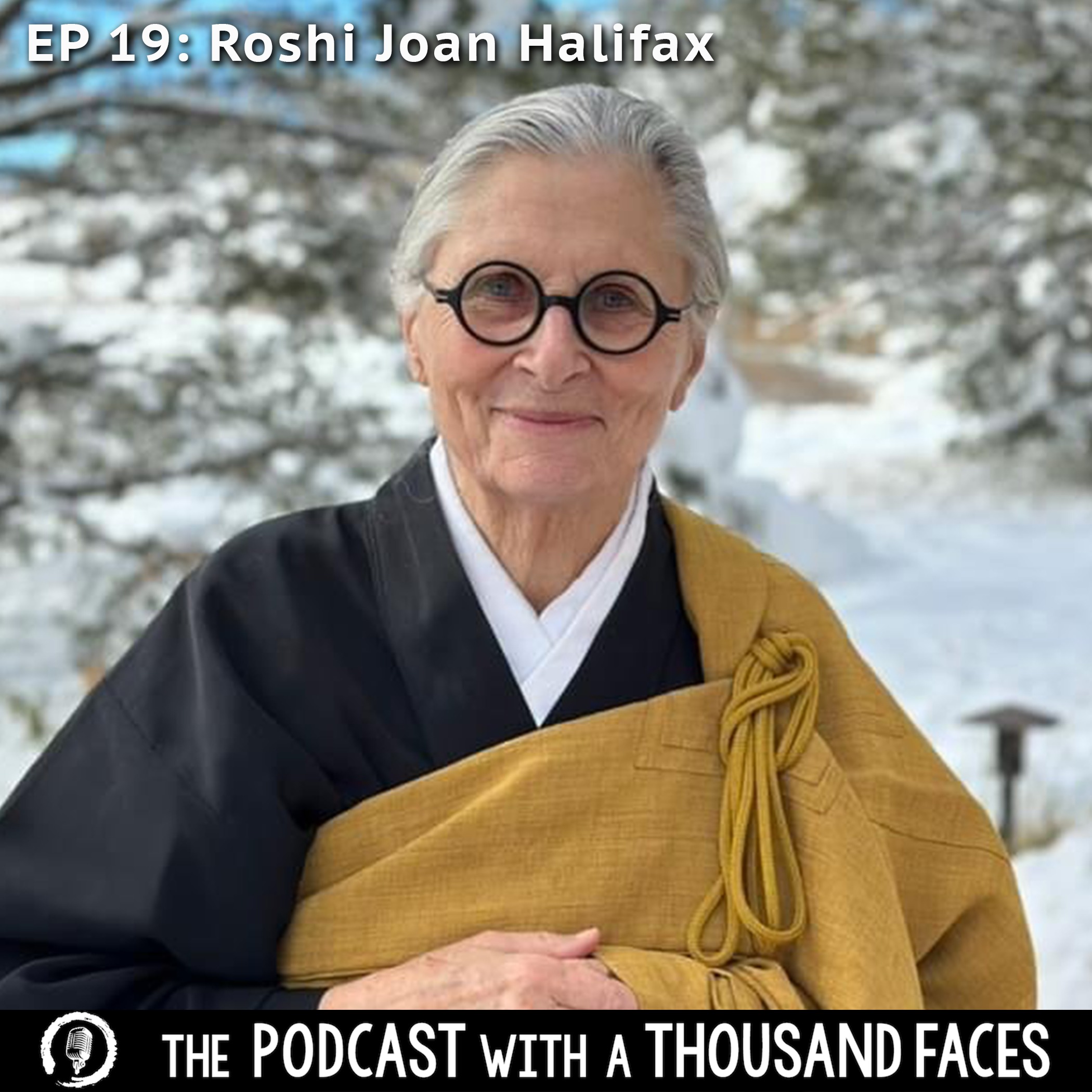
Other types of meditation involve the recitation of mantras, the use of visualizations, and so on. But those are not the way of Soto Zen. Roshi Joan Halifax, Abbot of the Upaya Zen Center, puts it this way:
Zen is not meditation. It is not a mental exercise, a thing you do with your mind. It is not focused on practices that are antidotes to afflictive states or secondary consciousness. It is not about attaining a special state, being relaxed, or solving your problems. It is not about reducing stress, working with trauma, and being happy . . . . It is about being radically open to things just as they are, not grasping at or rejecting phenomena, but simply being present and at ease with moment-to-moment uncertainty and groundlessness.
At a time when feelings of uncertainty and groundlessness have become pervasive, I know of no better guide to the goalless, stabilizing, and ultimately transformative practice of zazen.

