One cold afternoon last winter, I made a tasty kale, white bean, and ground turkey soup. It was a new recipe, so I followed it to the letter. First, I washed the kale and tore the leaves off the stems. Next, I sautéed the onions and carrots until the onions turned golden, then added the tomato paste, the cumin, and the red-pepper flakes. After a few minutes, in went the turkey, garlic, ginger, and Kosher salt, followed, seven minutes later, by the chicken stock and beans. After letting this concoction simmer for twenty minutes, I added the kale and let the pot simmer again for a little while. Finally, I added a half cup of fresh parsley and freshly squeezed lemon juice. Having duly completed these steps, I tasted my soup, added some salt and bit more cumin, and pronounced the result delicious. As I removed the pot from the heat, I felt confident that my wife, a noted soup critic, would approve of it too. Job well done.
Except it wasn’t. Ten minutes after leaving the kitchen, as I was settling into a challenging crossword puzzle, I realized with a start that I had left the burner on. Dashing back to the kitchen, I found the blue ring of flame going strong.
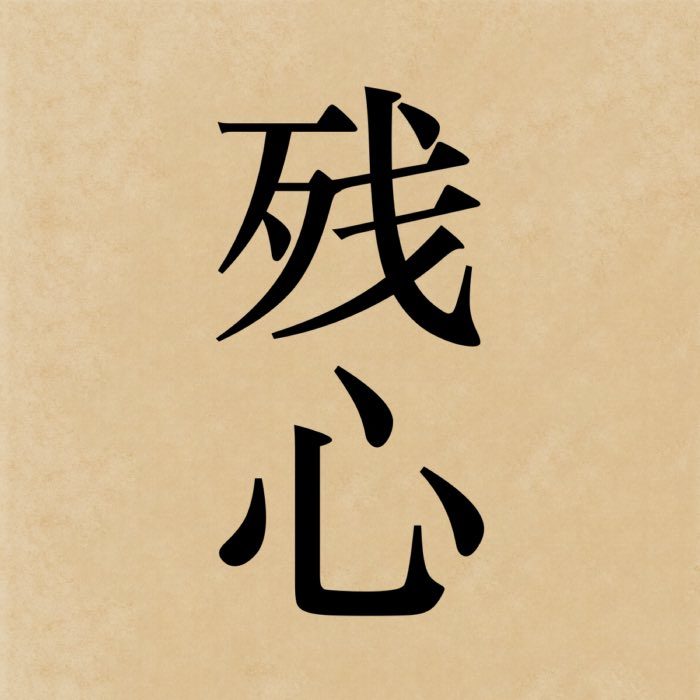
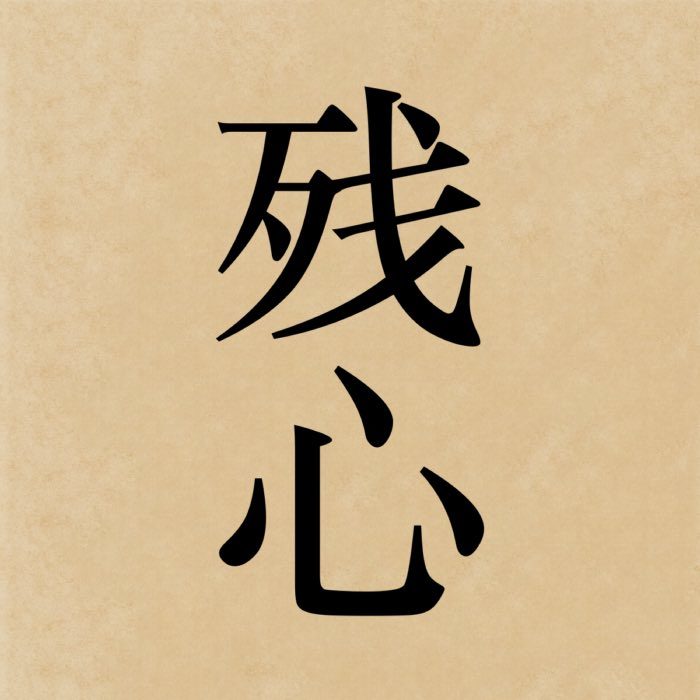
Such lapses are not uncommon. As Rub Squeers, a character in Richard Russo’s novel Nobody’s Fool, contends, inattention is normal human behavior. To address this natural human tendency, the Japanese Zen tradition offers a practice known as zanshin, which means “remaining mind” or “the mind that remains.” This discipline originated in the martial arts, where remaining continuously aware can determine whether a match ends in victory or defeat. But it is also applicable to everyday Western life.
That is the aim of Takashi Harada’s book, Zanshin: The Art of the After, in which the author applies the practice to such everyday tasks as sending emails, making decisions, and engaging in workplace conversations. “Zanshin is remaining,” he declares. “It keeps you awake to the moment that matters most, the moment after.” Apropos of email, he remarks that “the difference between a careful person and a careless one is often found in the ten seconds after sending. The careful person stays present enough to ask, what did I just do. . . . Zanshin after you hit send means you stay with the action long enough to own it. You do not chase it. You do not pretend it did not happen. You do not add noise. You remain present and you let the communication do its work.”
Zanshin fosters continuous concentration, a requisite for the practice of mindfulness. It extends our conscious attention into those moments when it is most likely to lapse, whether into thoughts of the past, or worries about the future, or, if the completed task was successful, self-congratulation. A potent antidote to forgetfulness, it deepens our capacity to remain present for the present moment, even when full attention no longer seems required. In his book Living the Japanese Arts and Ways, H.E. Davey, an accomplished teacher of calligraphy and the martial arts, notes that “zanshin is not only the sustained concentration following an action but also an unbroken awareness of the moment and an indominable spirit.”
As a practical matter, zanshin ensures that a given action will be fully completed. As Davey observes, “we often fail in an action just at the moment before its completion, when we think we’ve got it, we have made it.” As with the sweep of a golfer’s swing or the arc of a bowler’s arm after the ball is released, the moments following an action are often just as critical as the action itself. And if the action happens to be essential to our welfare, such as locking one’s car before leaving it, paying full attention to “the moments after” can spell the difference between happiness and avoidable hardship.
Skillfully practiced, zanshin can also counter the ego’s tendency to dwell on its perceived successes and failures. Doing a little dance in the end zone after making a touchdown is understandable in its context: it’s part of the show. But in everyday life, basking in our success after completing a task can undermine the next one. It can cause us to lose focus. Conversely, brooding on a minor mistake can precipitate another. If you are a performing musician, for example, dwelling on a few dropped notes can cause you to drop more. Zanshin trains the mind and body to remain ready and move on.
“There is in zanshin,” notes Davey, “a unity of calm and action.” That description largely accords with my own experience of the practice. Returning to the contemplative space of “the moments after,” I have found, is not unlike returning to silence after an intense conversation or to solitude after a difficult social interaction. In a culture where multitudinous distractions have become the norm, it can feel like coming home.
See Melissa Clark’s recipe “Lemony White Bean, Turkey and Greens Soup” at https://cooking.nytimes.com/recipes/1021776-lemony-white-bean-soup-with-turkey-and-greens. My most recent book is The Absolute Moment: Essays on Western Zen.